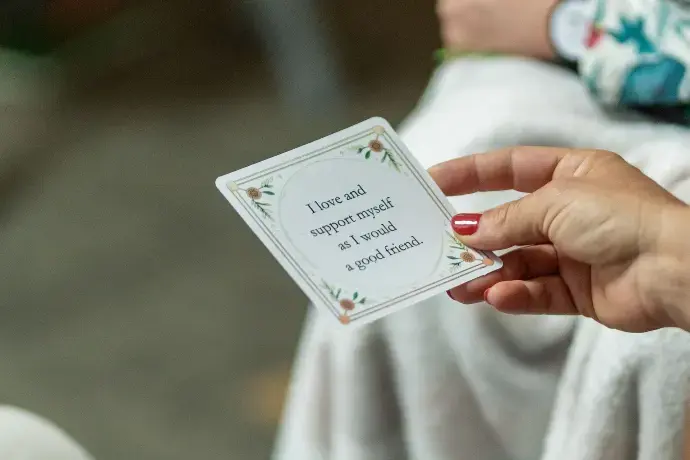
What if personal growth isn't about becoming someone better, but letting go of what you've been carrying for so long?
Have you ever felt like you're constantly working on yourself, yet somehow never quite getting anywhere?
You read the books, listen to podcasts, practise meditation and try to manage your emotions better. Yet despite all that effort, you might still feel overwhelmed, repeat the same relationship patterns or believe there's something about you that needs fixing. But what if some of the things you've been holding onto are making it harder to experience life differently?
We're often encouraged to keep adding knowledge, techniques and strategies to improve ourselves. While these can be valuable, personal growth can also involve recognising what we no longer need to carry.
Four areas worth exploring are conditioning, protection, performance and noise. Each can influence how we think, feel and respond to life, often without us realising it.
1. Conditioning: The Beliefs You've Mistaken for Your Own
Think about how often you say yes when you'd rather say no, push through exhaustion or worry about disappointing someone when you're already stretched too thin.
From a young age, we absorb messages about who we should be and what makes us worthy of approval. Perhaps you learned that being strong means never asking for help, or that keeping everyone happy matters more than expressing what you need.
Over time, these beliefs can become so familiar that we mistake them for our own truth, even when they leave us exhausted or frustrated.
A simple place to begin is questioning the expectations you've stopped noticing.
The next time you think, "I should be doing more" or "I can't let anyone down," ask yourself:
Is this something I genuinely believe, or something I've learned to believe?
Would I still make this choice if I wasn't worried about what others might think?
You don't have to challenge every belief at once. Recognising where an expectation came from can be enough to begin considering a different choice.
2. Protection: When Staying Safe Becomes Staying Stuck
We all develop ways of protecting ourselves, especially after difficult or overwhelming experiences.
For some, protection means staying busy to avoid uncomfortable feelings. For others, it looks like withdrawing from relationships, avoiding conflict or trying to control what happens next.
When life has felt unpredictable or unsafe, our minds and bodies can develop responses that help us cope. But what once helped us may not always serve us in the present.
You might become defensive during an ordinary conversation, struggle to trust someone who cares about you or feel anxious even when things are going well.
Rather than judging these reactions, try noticing what happens in your body.
Perhaps your shoulders tighten, your breathing changes or you feel the urge to withdraw. If it feels comfortable, pause and ask, "What am I trying to protect myself from right now?"
Letting go of protection doesn't mean ignoring boundaries or forcing vulnerability. It means recognising when a response is helping you and when it may be limiting your choices. Some patterns take time and support to understand, particularly when trauma is involved.
3. Performance: The Exhaustion of Trying to Be Enough
There's a particular kind of tiredness that comes from constantly trying to prove yourself. You might be the person everyone relies on, the one who keeps everything together or the one who's expected to remain positive, regardless of what's happening underneath.
Sometimes, that pressure follows us into personal growth. We measure ourselves by how often we meditate or how well we manage our emotions. When we become overwhelmed or react to something we thought we'd worked through, we assume we've failed. Without realising it, even healing becomes something we feel we need to get right.
There's nothing wrong with wanting to grow, but there's a difference between being curious about what's possible and constantly trying to improve because we believe we're not enough.
This week, notice where you're putting pressure on yourself to be a certain kind of person.
Perhaps you're pretending everything is fine when you need support. Consider what might happen if you loosened that expectation, asked for help or simply acknowledged that you're tired.
Being honest about where you are doesn't mean giving up on growth. It means allowing yourself to experience the process without constantly judging your progress.
4. Noise: Making Space to Hear Yourself Again
When was the last time you sat quietly without reaching for your phone, putting on a podcast or finding something else to do?
We're surrounded by information, responsibilities and distractions. Even when we have time to rest, our minds are often busy thinking about what's next. And when the external noise stops, we sometimes become more aware of the thoughts and feelings we've been avoiding.
Think about music. It isn't simply the notes that create the experience. The spaces between them give the sound rhythm and meaning.
Our lives can feel similar. When we're constantly doing and thinking, there's little room to notice what's happening underneath it all.
Try giving yourself a few minutes without distractions.
Sit somewhere comfortable, notice the sounds around you and allow your breathing to find its natural rhythm. When your mind wanders, gently return your attention to what you can hear.
If silence feels uncomfortable, begin with thirty seconds or try a few gentle hums. There's no particular feeling you need to achieve.
What If You Stopped Treating Yourself as a Project?
Much of personal development focuses on becoming better, but it's worth considering what motivates that desire to change. Are we growing because we're curious about understanding ourselves, or because we believe we're not enough?
When we see ourselves as something that constantly needs fixing, every difficult emotion can feel like another failure. Recognising our conditioning, protective habits, expectations and distractions can help us understand why certain patterns keep appearing.
This doesn't mean ignoring trauma, depression or mental health challenges that may require professional support. Struggling doesn't define your worth, and needing help doesn't mean there's something fundamentally wrong with who you are.
You can be a whole person and still have things that need care, attention and healing.
A Practice for the Next Seven Days
Choose one of the four patterns that feels relevant to your life right now. For the next seven days, notice when it appears and ask yourself:
"Is this something I genuinely need, or is it something I've become used to carrying?"
You might recognise an old expectation, a familiar fear or an automatic response. Some days, you'll notice it early enough to make a different choice. Other days, you may only recognise it afterwards.
The intention isn't to get it right every time, but to become more aware of what influences how you move through everyday life.
Explore This Work With Live In Flow
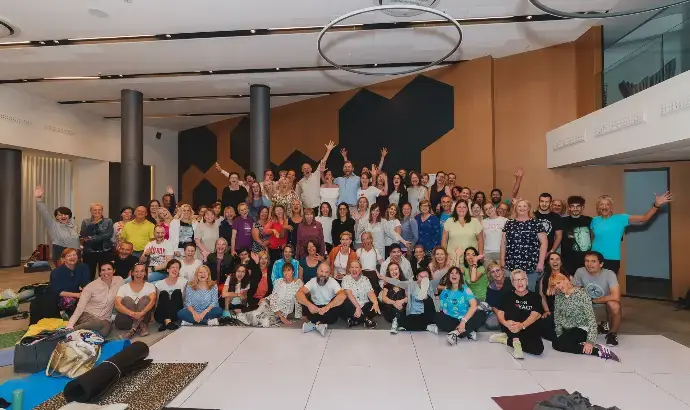
At Live In Flow, we explore these patterns through breathwork, meditation, sound and embodied awareness, creating opportunities to understand ourselves beyond thought alone.
Our workshops offer practical ways to experience these tools, while our retreats provide time to step away from everyday responsibilities and explore the work more deeply.
If you feel drawn to experience this work with us, you can discover our upcoming workshops and retreats at Live In Flow.